
Behind the Counter
Behind the Desk: A Smoother Way to Prepare Coins for Sale
A look at how Pops now brings coin records, photographs, descriptions, research, and shop publishing together in one careful workflow.
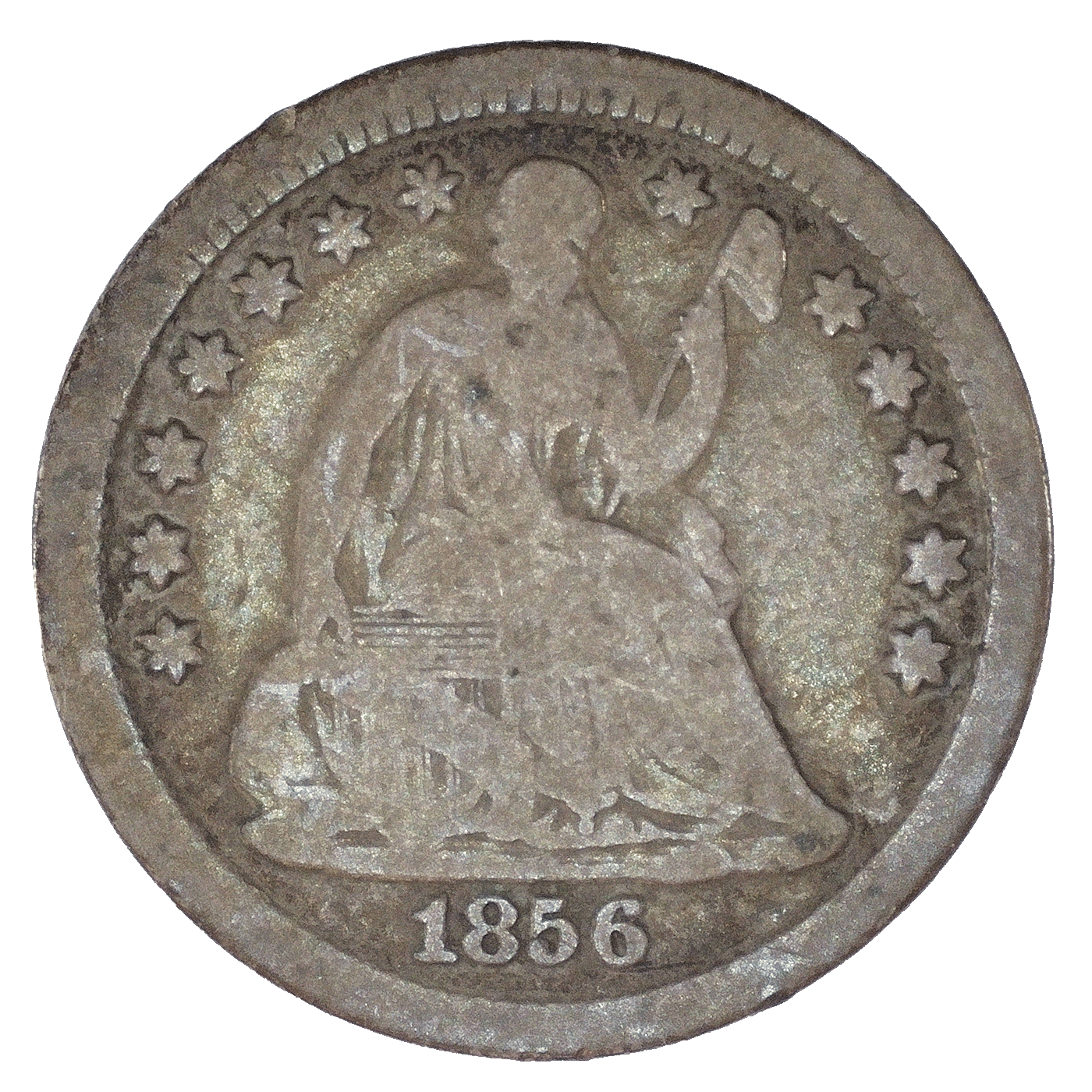
Much of the work behind a coin listing happens before anyone sees an “Add to cart” button. A coin must be identified, photographed, researched, described, priced, and checked before it is ready to meet a collector. Today we brought those steps closer together at Pops Change Exchange.
The goal is simple: record a coin once, do the careful work in one place, and carry the approved information into every place where that coin may appear.
One coin record from arrival to the shop
Our Coin Catalog is now the main working record for each piece. Staff can see the coin’s identity, photographs, research links, price range, collection history, video, and planned destinations on one screen.
That matters because the same coin should not have to be typed again for the Pops website, an auction, or another marketplace. Repeated entry takes time and makes it easier for details to drift apart. A single working record helps us keep the title, photographs, availability, and history consistent.
Existing photographs are back where they belong
We also repaired the connection between our purchase records and photographs already stored at Pops. The system reviewed 312 purchase rows, recognized 20 existing Pops-hosted photographs, and restored those images to 10 Coin Catalog records that needed them.
The resync was designed to protect work already completed by staff. It did not replace saved descriptions, prices, collection connections, videos, population research, or existing shop identifiers.
A helpful writing draft, followed by a human review
Staff can now ask the catalog to prepare a natural first draft from the saved facts and coin photographs. The draft is meant to sound like a knowledgeable person describing a coin to another collector—not like a laboratory report and not like an exaggerated sales pitch.
The writing assistant is instructed not to authenticate a coin from a photograph, change its grade, declare it rare, or make a firm claim about cleaning, damage, color, or surface quality when the evidence is not there. A member of the Pops team reviews and edits every draft before a listing is opened to customers.
When a published term from the Pops coin glossary appears in the description, it can lead readers to a plain-language explanation.
Prepare privately, then open the listing
The shop process now has two clear steps. First, staff can create a hidden listing and review the photographs, description, price, and research. When everything is ready, “Launch on Pops” opens that listing to customers without requiring a separate trip through the Shopify office.
A required population report must be connected before a qualifying coin can be made public. That report becomes reusable research for future appearances of the same issue.
What does this change for collectors?
Collectors should see clearer photographs, more consistent information, useful definitions, and better continuity between a coin’s story and its current availability. The work behind the desk remains careful and deliberate, but fewer repeated steps leave more time for examining the coin itself.
You can browse the Pops Change Exchange shop or visit our site features guide to explore the tools available to collectors.
Common questions
Does the writing assistant decide a coin’s grade?
No. It works from the grade and facts already recorded by staff and is specifically told not to assign or change a grade from photographs.
Does a hidden shop listing appear to customers?
No. It gives staff a place to review the finished listing. The coin becomes public only after a separate launch step.
Will a spreadsheet resync erase a description or price?
No. The new resync protection keeps completed catalog work while adding newly recognized Pops-hosted photographs and refreshed source information.